

Laser Cutting vs. Water Jet Cutting: How to Choose the Right Method for Your Project
When a project calls for metal parts with clean edges and accurate dimensions, the cutting method you choose can shape everything that follows, from part quality and production speed to finishing requirements and overall cost. Two of the most popular options in modern fabrication are laser cutting and water jet cutting. Both technologies are highly precise and capable of producing complex shapes, but they work in very different ways and excel in different situations.
For engineers, designers, contractors, and business owners, knowing the strengths and limitations of each method makes it easier to plan a successful project. It also helps you have more productive conversations with fabrication shops and water jet cutting companies when you request quotes or discuss design requirements. This guide breaks down how each process works, how they compare across key factors, and why working with experienced professionals is one of the smartest decisions you can make.
Exploring How Laser Cutting Works
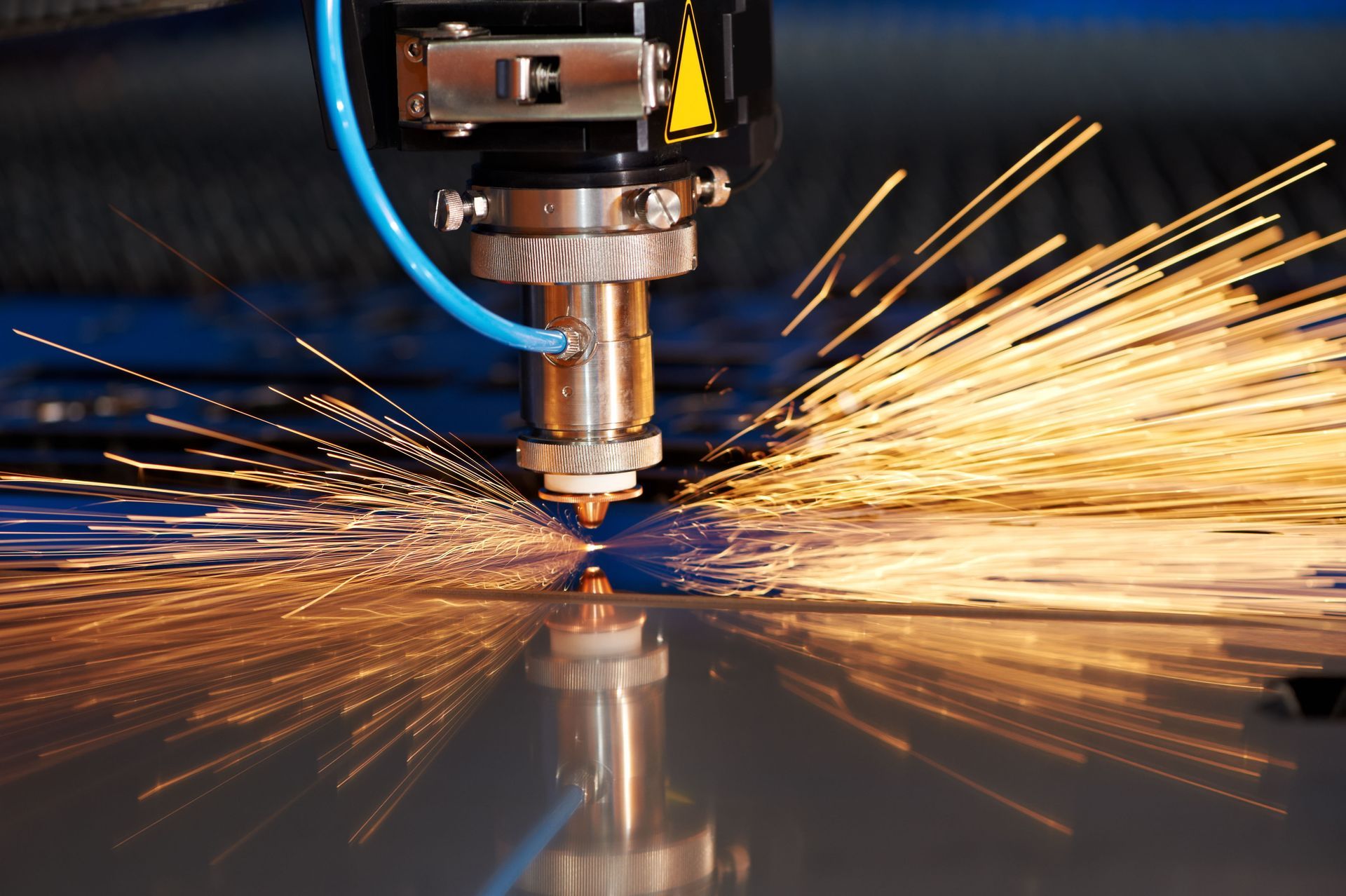
Laser cutting uses a highly focused beam of light to melt, burn, or vaporize material along a programmed path. The beam is guided by computer numerical control (CNC), which allows the machine to follow intricate patterns with remarkable accuracy. An assist gas, such as nitrogen or oxygen, typically blows molten material away from the cut, leaving a narrow and clean kerf.
Because the beam is so concentrated, laser cutting is known for speed and precision, especially on thin to medium-gauge sheet metal. It handles detailed shapes, small holes, and tight tolerances with ease, which makes it a go-to choice for brackets, enclosures, signage, decorative panels, and many other components made from steel, stainless steel, and aluminum.
Examining How Water Jet Cutting Works
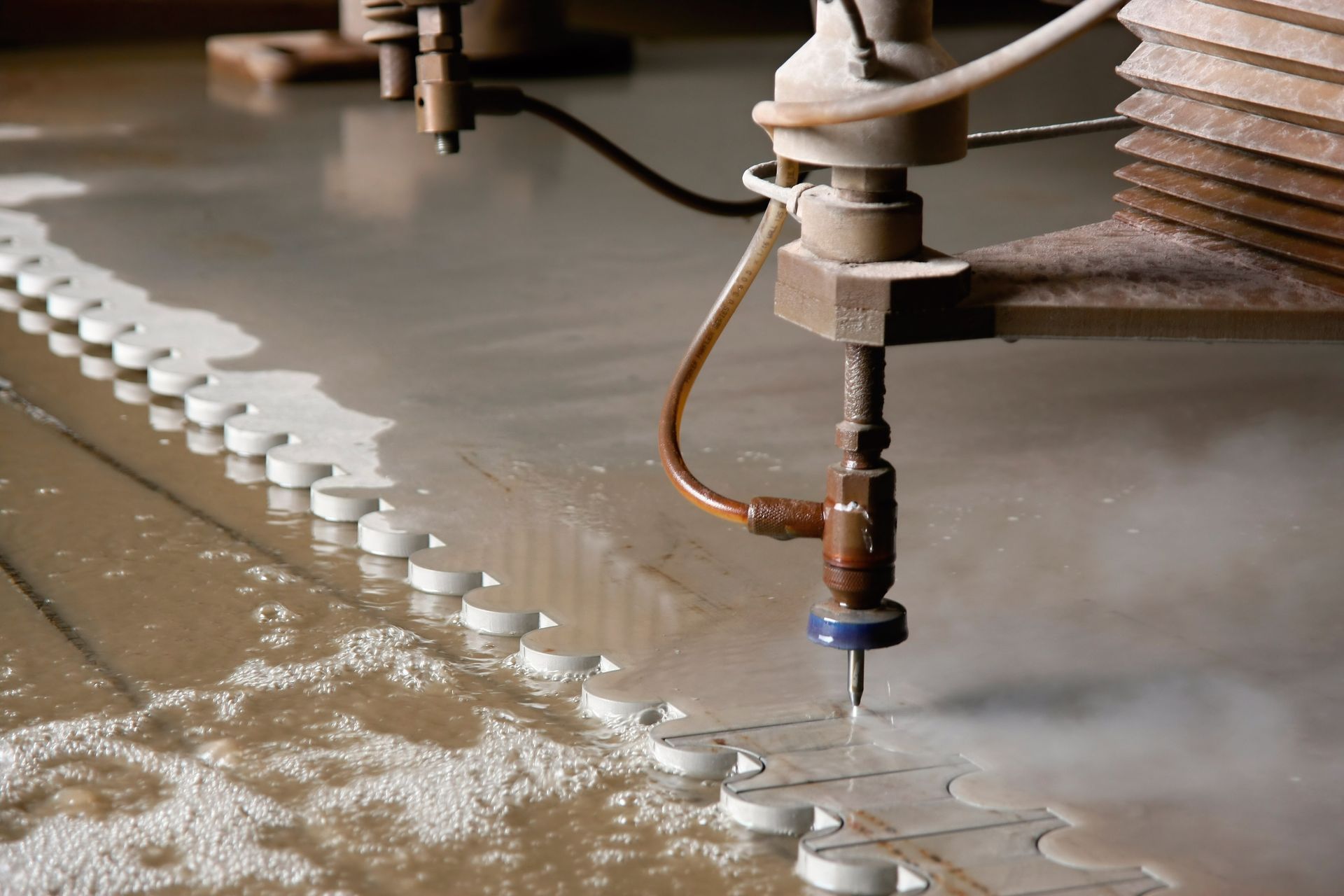
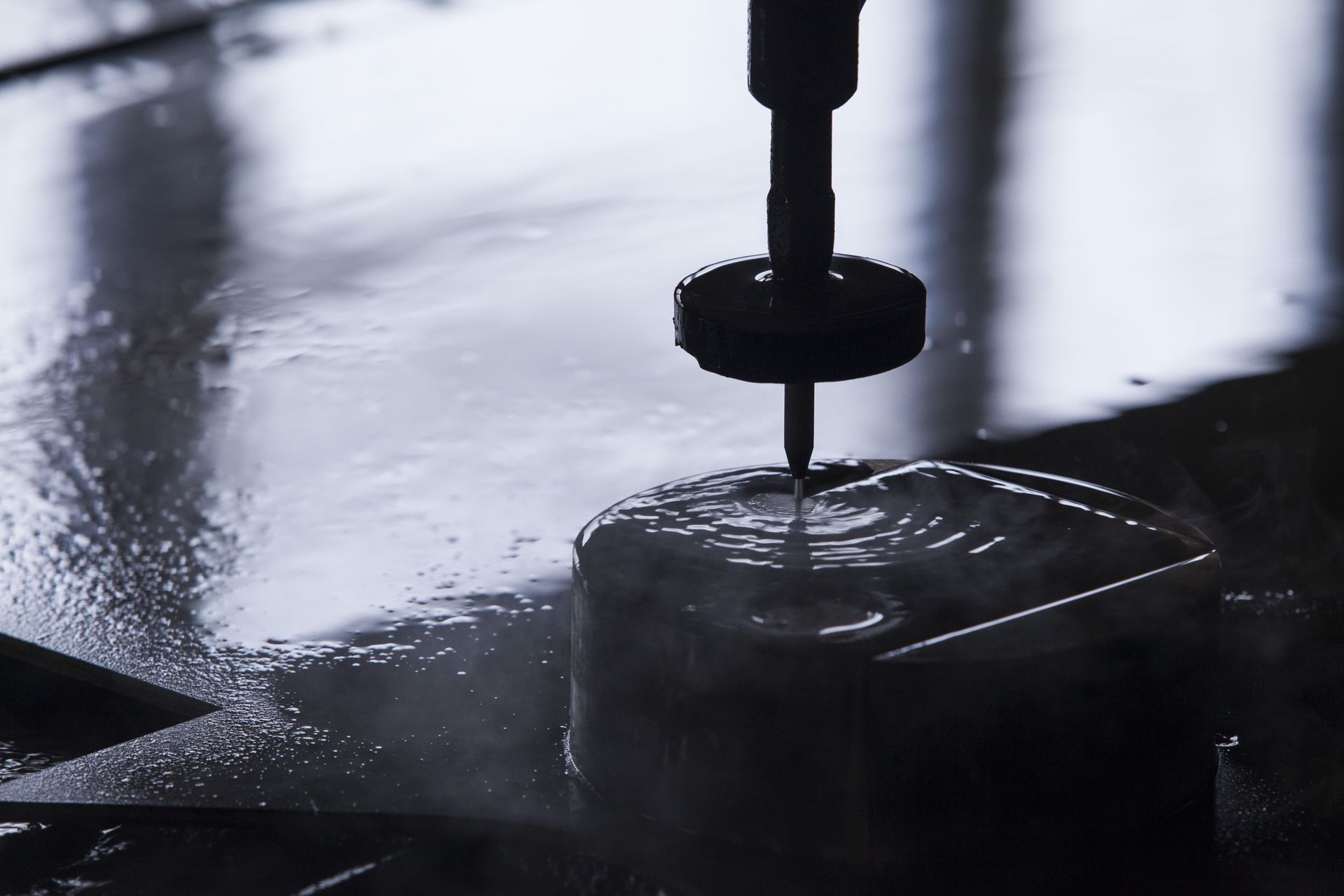
Water jet cutting relies on an extremely high-pressure stream of water, often mixed with a fine abrasive such as garnet, to erode material along the cutting path. Like laser systems, water jet machines are CNC-controlled, so they can produce complex geometries with consistent results.
The defining feature of water jet cutting is that it is a cold, non-thermal process. Since no heat is applied to the material, there is no risk of heat damage or warping, and the cut edge stays clean and free of thermal distortion. This is one of the main reasons many manufacturers seek out water jet cutting companies when their parts must retain their original material properties right up to the edge.
Comparing Material Compatibility
Material type is often the first factor to consider. Laser cutting performs exceptionally well on metals like carbon steel, stainless steel, and aluminum, particularly in thinner sheets. However, highly reflective metals and certain heat-sensitive materials can be more challenging for a laser, and some materials may release fumes or discolor when exposed to intense heat.
Water jet cutting is one of the most versatile methods available. It can cut a wide range of materials, including metals, stone, glass, plastics, rubber, and composites, without changing the characteristics of the material. If your project involves specialty alloys, mixed materials, or components that cannot tolerate heat, experienced water jet cutting companies can often handle jobs that would be difficult or impossible with other processes.
Evaluating Precision and Edge Quality
Both methods deliver impressive precision, but they produce slightly different results. Laser cutting creates a very narrow kerf and can achieve extremely fine detail, making it ideal for intricate patterns and small features on thin materials. Edges are generally smooth, though a small heat-affected zone may be present, and some materials may show slight discoloration along the cut.
Water jet cutting produces a smooth, satin-like edge with no heat-affected zone. The kerf is typically a bit wider than a laser's, and cutting speed settings can influence how much taper appears along the edge. Reputable water jet cutting companies fine-tune pressure, abrasive flow, and speed to strike the right balance between edge quality and efficiency for each job. Ultimately, the best choice depends on whether your priority is ultra-fine detail or edges free of any thermal effects.
Assessing Heat Effects on Your Parts
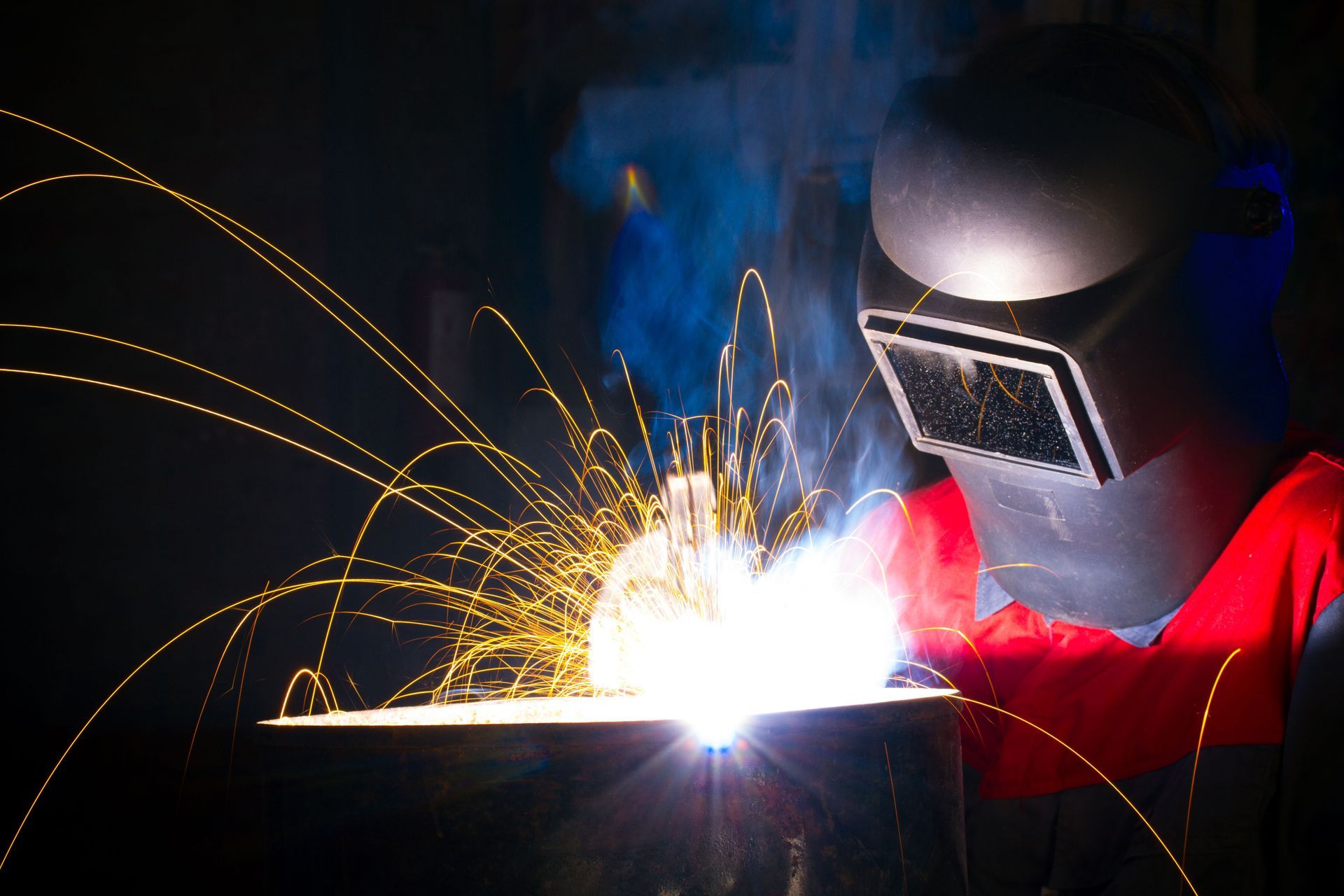
Heat is one of the most important dividing lines between these two technologies. Because laser cutting is a thermal process, it can introduce localized heat into the material. For most sheet metal applications, this is not a problem, and skilled operators know how to minimize its effects. Still, in certain applications, heat can cause hardening along the edge, slight warping in thin parts, or changes to the material's structure.
Water jet cutting avoids these issues entirely. For parts that will be welded, machined, or formed afterward, or for materials that are sensitive to temperature changes, eliminating heat from the cutting process can protect both quality and performance. A knowledgeable fabrication partner can help you determine whether heat effects are a genuine concern for your specific design.
Considering Material Thickness
Thickness plays a major role in determining which method makes sense. Laser cutting is generally fastest and most cost-effective on thin to moderately thick sheet metal. As material thickness increases, laser cutting speed drops and edge quality can become harder to maintain.
Water jet cutting shines when working with thicker materials. It can cut through plate stock that would be slow or impractical for many laser systems while maintaining consistent edge quality. If your project involves heavy plate, dense materials, or stacked parts, many water jet cutting companies are well-equipped to process them efficiently without sacrificing accuracy.
Measuring Environmental Impact
Sustainability is becoming an increasingly important factor for many businesses. Laser cutting is energy-intensive, and some materials produce fumes that require proper ventilation and filtration. That said, laser systems generate relatively little physical waste beyond scrap material.
Water jet cutting uses significant amounts of water, but modern equipment has made major strides in efficiency. According to Accio, many advanced waterjet systems rely on closed-loop recycling setups that can reclaim roughly 90–95% of the water they use, which makes the process fairly eco-friendly compared with methods that depend heavily on chemicals or coolants. Many water jet cutting companies now invest in these recycling systems, which can be a meaningful advantage for businesses with sustainability goals.
Partnering With Experienced Professionals
Even with a solid understanding of each process, choosing the right cutting method involves many variables, including material type, thickness, tolerances, volume, budget, and downstream processes. This is where working with experienced professionals makes a real difference. Skilled fabricators can review your drawings, identify potential issues before production begins, and recommend the most efficient and cost-effective approach.
Professional water jet cutting companies and full-service fabrication shops bring more than equipment to the table. They bring hands-on knowledge of how different materials behave, how to optimize cutting parameters, and how to maintain consistent quality across large orders. Attempting to cut corners with inexperienced providers can lead to inaccurate parts, wasted material, and delays that cost far more than the initial savings. The best water jet cutting companies also offer laser cutting and related services, so they can give you an honest recommendation rather than steering you toward the only process they offer.
Laser cutting and water jet cutting are both powerful, precise methods, and neither is universally better than the other. Laser cutting is often the fastest and most economical option for thin to medium sheet metal and intricate designs, while water jet cutting excels with thick materials, heat-sensitive parts, and a wider range of material types. By weighing the factors, you can narrow down the best fit for your needs.
The most reliable way to make the right decision is to consult professionals who understand both technologies and can evaluate your project as a whole. If you are ready to move forward, we would love to help. At Denali MetalWorks, we offer both laser cutting and water jet cutting, along with finishing services, so we can recommend the method that fits your materials, timeline, and budget. Contact us today to request a free quote, and let our experienced team help bring your project to life with precision and care.
Share On: