

Why Water Jet Cutting Is the Right Choice for Materials That Hate Heat
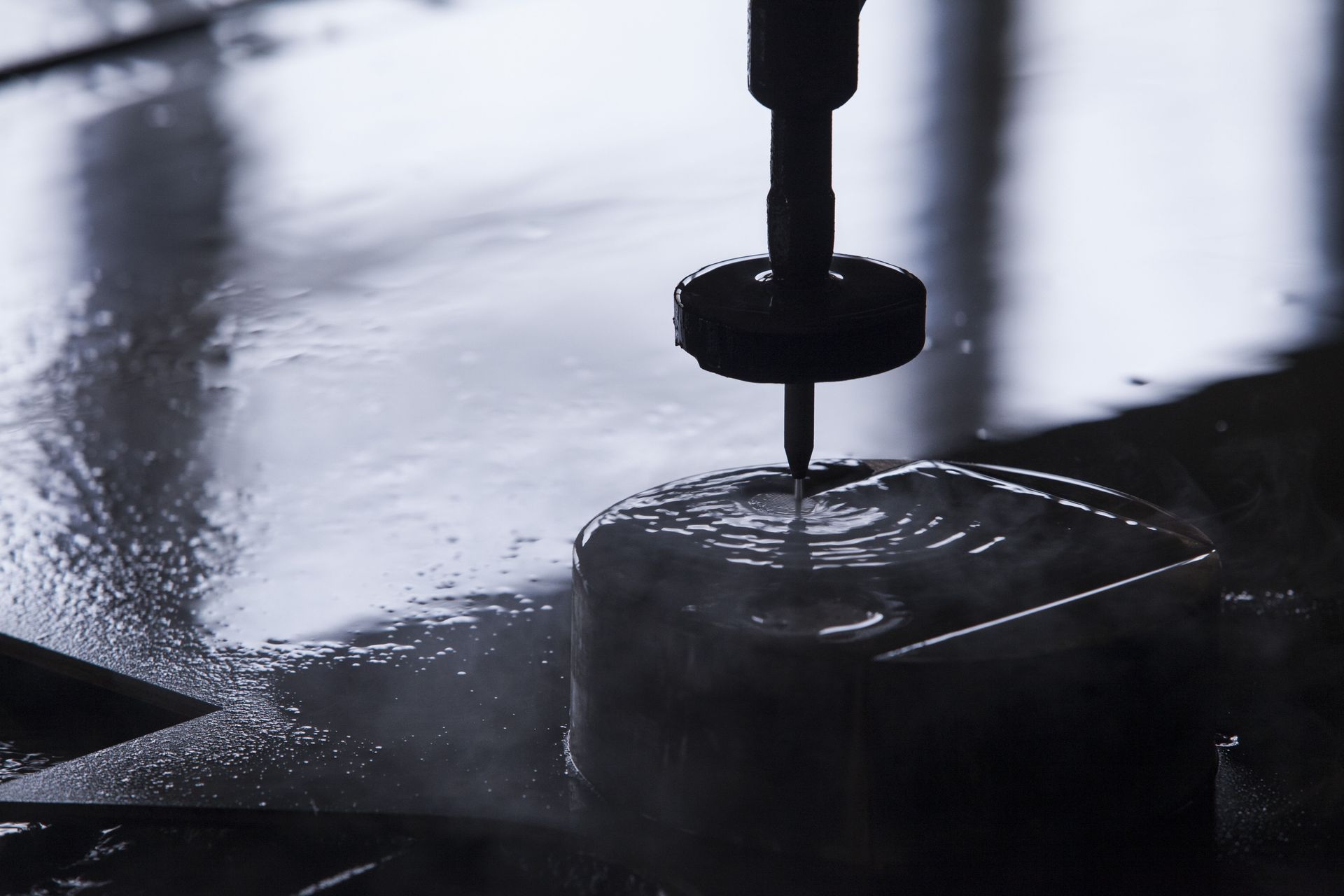
When you work with materials that are sensitive to extreme temperatures, finding the right fabrication method is a massive challenge. Traditional machining options rely on intense friction, high-speed rotation, or focused light beams to sever material. These traditional processes generate immense friction that quickly transfers to the surrounding substance, causing warping, melting, or structural changes. For industries that demand absolute precision and structural integrity, this thermal transfer is a serious problem. Fortunately, cold cutting technologies offer a perfect solution to this ancient engineering challenge. Cold cutting utilizes a high-pressure stream of water mixed with abrasive particles to erode material rather than burning or tearing through it. This method ensures that the target substance remains cold throughout the entire process, preventing any heat-related degradation. When looking to execute these projects, partnering with a professional water jet cutting company makes a substantial difference in the quality of the finished parts. By removing thermal stress from the fabrication equation, manufacturers can achieve precise results without compromising the inherent strengths of their chosen materials. Understanding the distinct advantages of this cold processing method can help you make the best decision for your manufacturing needs.
Eliminating Thermal Distortion
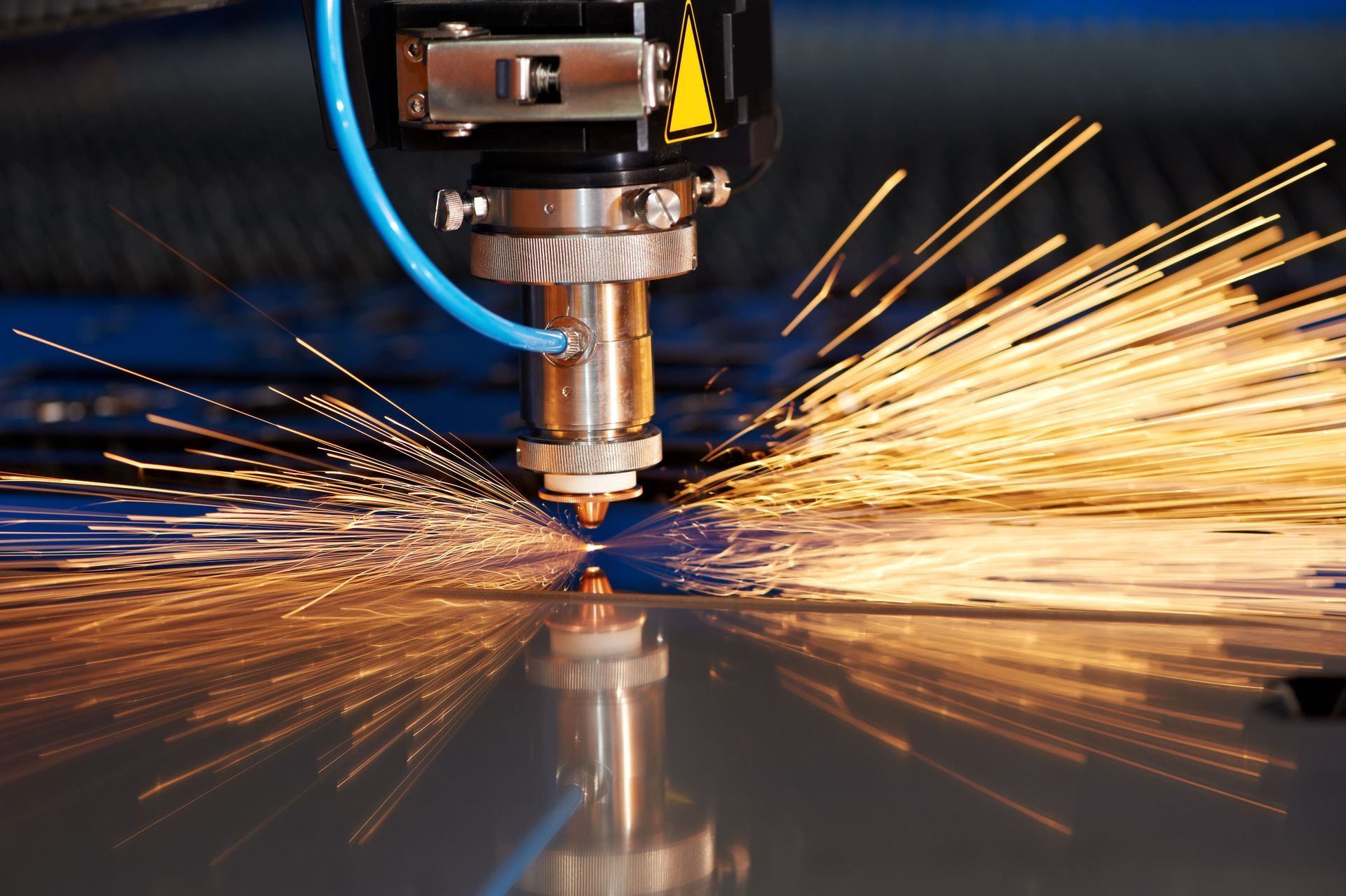
Thermal distortion occurs when the heat generated during a cutting process unevenly expands the material, leading to warping, bowing, or bending once the substance cools down. This is particularly problematic for thin sheets of metal, delicate plastics, and composite materials that expand rapidly under thermal stress. Traditional methods like laser or plasma cutting apply highly concentrated energy to melt the target, creating a localized zone of intense warmth. This localized zone causes uneven thermal expansion, which permanently alters the flat profile of the workpiece. By utilizing a high-velocity stream of pressurized water, cold cutting eliminates the generation of friction-based heat entirely. The cold water stream acts as a natural coolant, continuously washing away any minor warmth generated by the physical erosion process. This allows thin metals and heat-sensitive polymers to remain completely flat and structurally stable throughout the entire operation. Choosing to work alongside a knowledgeable water jet cutting company ensures that your thin sheet metals and sensitive composites undergo fabrication without the risk of warping or buckling. The finished parts emerge from the process with their dimensional accuracy perfectly intact, ready for immediate assembly without requiring corrective flattening.
Preserving Raw Material Properties
Many advanced materials are chosen specifically for their unique chemical compositions and physical characteristics, which can be easily ruined by exposure to high temperatures. Titanium, aerospace-grade aluminum, and specialized alloys are engineered to perform under specific stress levels, but excessive heat can alter their molecular structure, making them brittle or soft. When these metals are subjected to thermal cutting, the heat changes the metallurgy of the material near the cut, creating what engineers refer to as a heat-affected zone. This compromised area often loses its corrosion resistance, tensile strength, and fatigue resistance, which can lead to premature failure in demanding environments. Cold cutting prevents the formation of these weakened zones by avoiding thermal energy altogether. The process relies on physical erosion rather than melting, meaning the material never reaches temperatures that could trigger metallurgical phase changes. Because the internal structure of the substance remains completely unaffected, the material retains its original strength, flexibility, and resistance to environmental wear. This level of preservation is vital for critical components used in aerospace, medical, and defense applications where material failure is simply not an option.
Preventing Edge Hardening
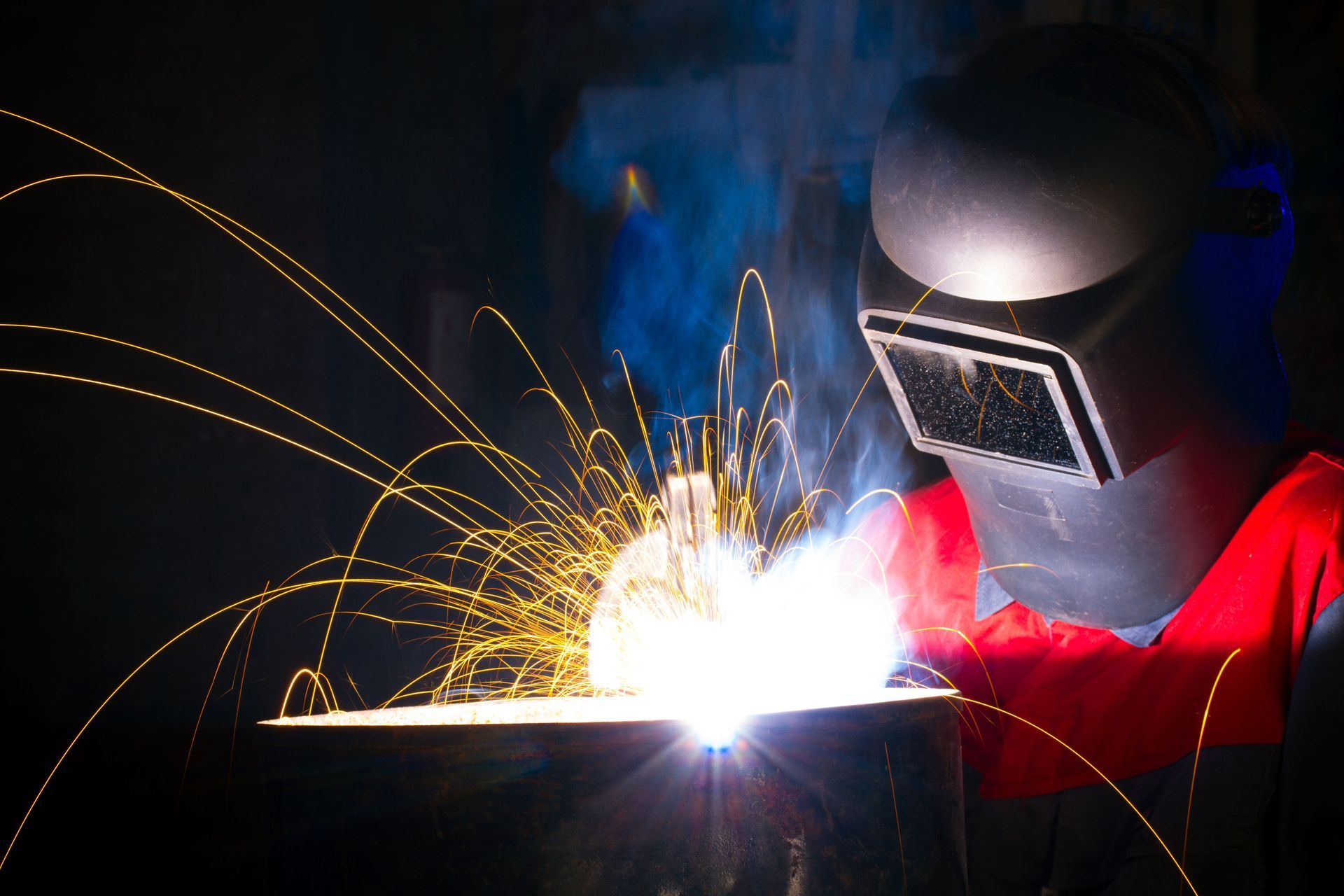
Edge hardening is a common byproduct of thermal cutting processes that can create significant headaches during subsequent manufacturing stages. When a laser or plasma torch melts through steel or other hard alloys, the rapid heating followed by immediate cooling acts as a quenching process. This rapid cooling hardens the cut edges, making them extremely brittle and difficult to work with afterward. Machinists who attempt to drill, tap, or mill these hardened edges often experience broken tools, accelerated equipment wear, and delayed production timelines. By contrast, a professional water jet cutting company uses a cold erosion technique that leaves the cut edges in their natural, unhardened state. Because there is no rapid heating and cooling cycle, the metal along the perimeter of the cut retains the exact same hardness as the rest of the workpiece. This allows machinists to easily perform secondary operations like drilling or tapping without risking tool damage or part failure. By keeping the edges soft and workable, manufacturers can streamline their assembly processes and significantly reduce tool replacement costs. This advantage makes cold cutting the preferred choice for rough blanks that require extensive subsequent machining.
Maximizing Cutting Precision
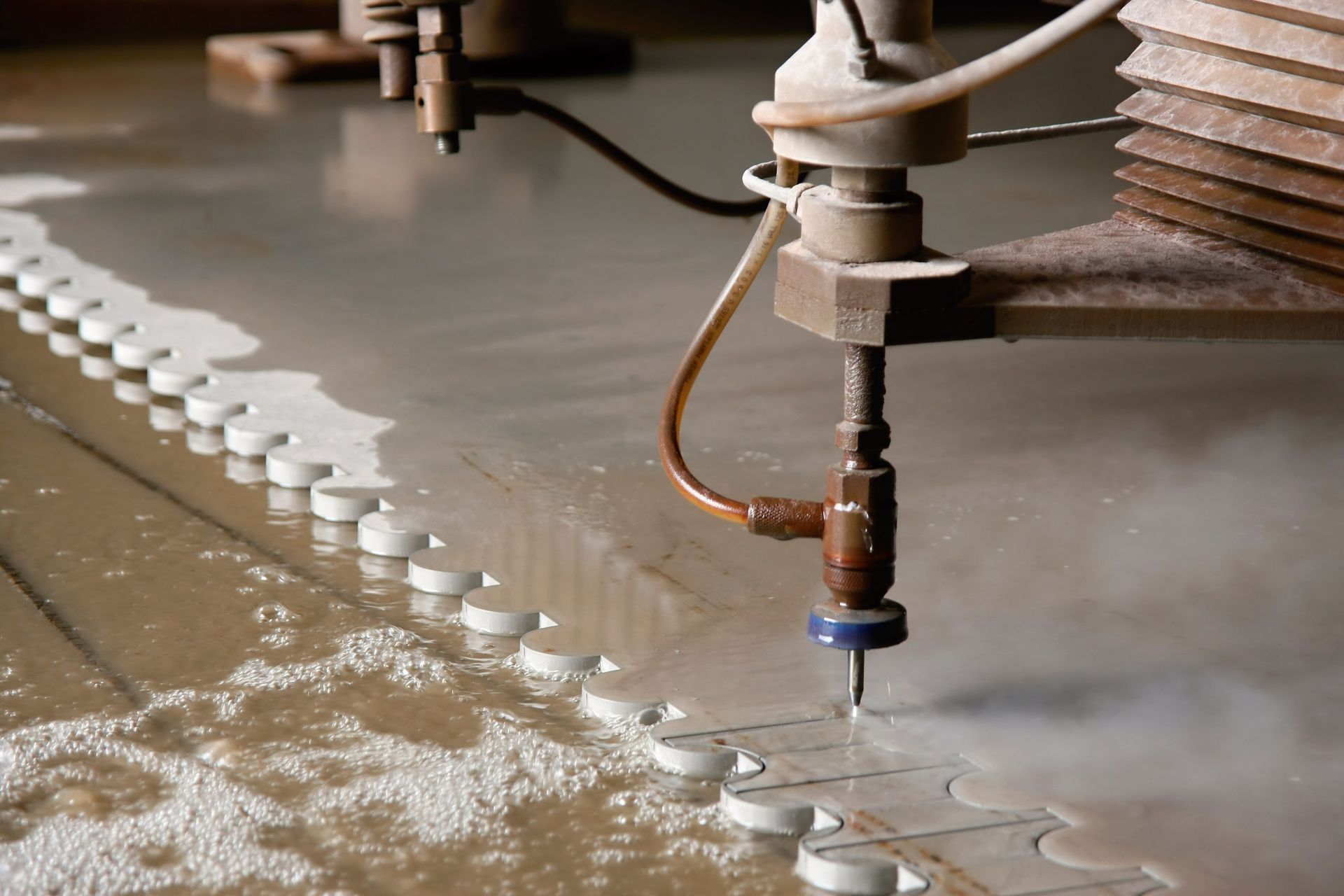
Achieving tight tolerances on heat-sensitive materials requires a fabrication method that remains highly stable from the beginning of the cut to the end. Thermal cutting tools can suffer from beam drift, changing thermal expansion in the cutting head, and material movement as the workpiece heats up. These variables make it extremely difficult to maintain consistent dimensions across large production runs. The cold water process offers superior dimensional stability because the cutting medium remains constant and the workpiece stays at ambient temperature. This consistency allows for incredibly intricate designs, sharp corners, and complex geometries that would be impossible to achieve with tools that generate heat. Furthermore, the absence of thermal stress means that even highly detailed, web-like patterns can be cut into delicate materials without the risk of the narrow webs warping or breaking. Working with an experienced water jet cutting company allows you to harness this extreme precision for your most challenging designs. Whether you are dealing with thick stone, laminated composites, or fragile glass, the cold stream delivers crisp, clean edges that meet strict engineering specifications without variation.
Promoting Environmental Sustainability
In modern manufacturing, choosing processes that minimize environmental impact is just as important as choosing methods that protect the material itself. Many traditional thermal and chemical cutting methods rely on hazardous coolants, heavy lubricants, or toxic chemicals to manage heat and prevent tool damage. These substances require careful disposal and can create health hazards for operators on the factory floor. Cold water erosion offers a much cleaner alternative because it relies primarily on natural elements like water and garnet sand. According to Accio, many state-of-the-art water jet cutters use closed-loop water recycling systems that recover up to about 90% to 95% of the water, making them relatively sustainable versus processes that rely heavily on coolants or chemicals. This high recovery rate drastically reduces water consumption while eliminating the need for synthetic cooling fluids that harm the ecosystem. By choosing this approach, manufacturers can achieve outstanding results while keeping their environmental footprint remarkably small.
Choosing the appropriate fabrication method is essential for protecting the integrity, strength, and longevity of your heat-sensitive materials. By eliminating thermal stress, warping, and edge hardening, cold water erosion ensures that every component is delivered in its optimal state. At Denali MetalWorks, we understand the unique challenges associated with manufacturing sensitive substances, and we are committed to providing precise, high-quality solutions that protect your valuable assets. Our team possesses the expertise and advanced technology required to handle your most complex designs with absolute care and accuracy. As a dedicated
water jet cutting company, we focus on delivering exceptional results that meet the highest industrial standards while maintaining sustainable practices. Let us help you achieve flawless fabrication for your next project without the risks associated with heat-based methods.
Share On: