

5 Ways Bulk Metal Fabrication Can Streamline Your Production
In today's fast-paced industrial environment, streamlining production processes is crucial for staying competitive. This is especially true given that, according to Mavin Industries, better than 50% of modern manufactured goods rely on either welding or specialized fabrication to reach their final form. To meet this massive demand, bulk metal fabrications have emerged as a modern and efficient approach, offering numerous advantages for optimizing production lines.
1. Faster Production Times with Advanced Techniques
Automation represents a significant advancement in fabrication processes, contributing to faster production times. Automated systems enhance precision and speed by performing repeatable tasks more efficiently than human labor. By integrating robotics and mechanization, companies can significantly reduce cycle times for manufacturing components. This acceleration is critical in meeting tight deadlines and fulfilling customer needs promptly. The integration of automation not only increases production speed but also optimizes consistency and quality across produced items.
The use of Computer-Aided Design and Computer-Aided Manufacturing (CAD/CAM) systems streamlines workflows, enhancing speed and efficiency. These systems provide engineers and designers precise tools to create detailed models and simulations. By resolving potential design issues before actual production, companies reduce prototype iterations. CAD/CAM systems also ensure that transitioning from design to manufacturing is smooth, minimizing errors that can slow the production process.
The integration of 3D printing technology plays a pivotal role in expediting prototyping, which supports faster production times. This innovative approach allows for rapid creation and testing of prototypes, reducing the time from conceptualization to production. 3D printing minimizes material waste and facilitates intricate design adaptations, tailoring to specific project needs. This technological advancement greatly enhances the capacity for rapid product development cycles.
2. Enhanced Product Quality and Consistency
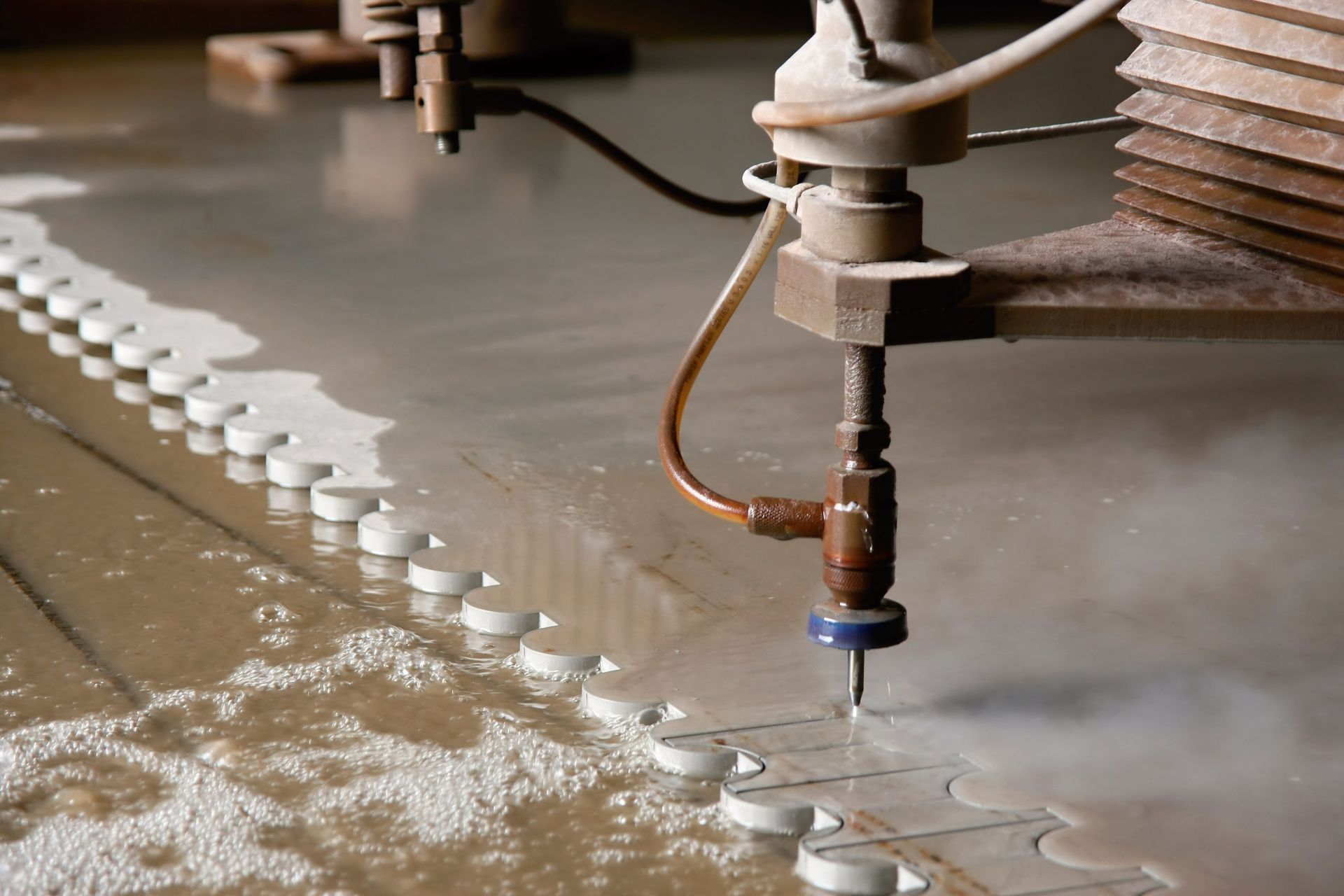
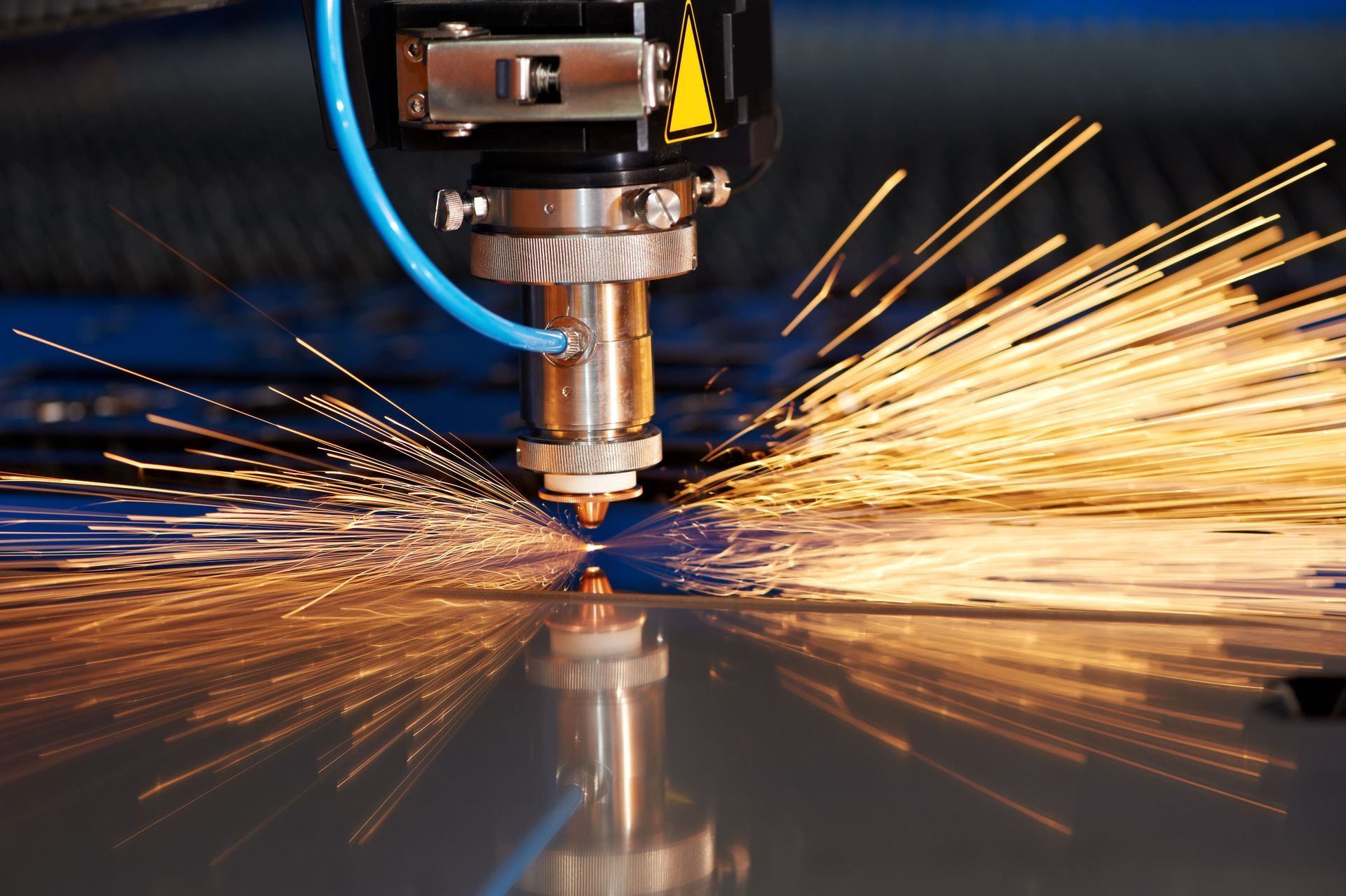
Achieving enhanced product quality requires precision in cutting and shaping during the fabrication process. Advanced laser and plasma cutting technologies enable precise dimensions, minimizing errors and material wastage. These methods are crucial for complex shapes and detailed designs, ensuring all components meet stringent specifications. Consistent cutting techniques guarantee that every piece maintains uniformity within a production batch. This precision is integral to the quality control process, as uniformity ensures all components fit seamlessly during assembly.
Quality control and assurance are fundamental to maintaining high product standards in bulk metal fabrication. Implementing rigorous inspection protocols throughout production ensures that every item meets quality benchmarks. Advanced software solutions and inspection technologies enable real-time monitoring of production quality. These systems identify defects early, allowing for prompt corrections that prevent defects from reaching consumers. A robust quality control system enhances credibility and customer satisfaction, fostering trust in a company’s manufacturing capabilities.
Maintaining uniform tolerances across large production batches is vital for ensuring consistent product quality. Bulk metal fabrications employ standardized processes that produce items with minimal deviation from desired specifications. Achieving tight tolerances minimizes the need for post-production adjustments, reducing lead times and costs. This consistency is essential for creating parts that fit uniformly in intricate assemblies, maintaining the integrity of the finished product. Companies that can ensure such reliability enjoy a competitive advantage in precision-demanding industries.
3. Flexibility and Customization Options
Flexibility in bulk metal fabrication is greatly enhanced by modular design capabilities. This approach allows companies to design and assemble products using interchangeable and adaptable components. Modular designs support customization at various points of the production process, catering to diverse customer needs. This flexibility also facilitates efficient maintenance and updates, as components can be easily replaced or modified. Companies benefit from streamlined assembly processes and reduced costs, as modular systems typically involve less labor and material waste.
The development of custom tooling solutions further supports the flexibility and adaptability of bulk metal fabrication. By crafting specialized tools and fixtures, manufacturers can address specific production challenges and improve efficiency. Custom tooling allows for better adaptation to unique product designs, enhancing precision and reducing the time spent on adjustments. This tailored approach enhances productivity and optimizes resource allocation, as tools are directly aligned with specific project requirements.
In an ever-evolving market landscape, the ability to rapidly respond to changes is critical for staying competitive. Bulk metal fabrications are inherently adaptable, allowing companies to quickly alter production lines to address new demands. Adjustability in scheduling and workflow management facilitates swift transitions between product lines or adjustments in volume. By maintaining flexible production capabilities, businesses can promptly seize new opportunities and mitigate risks associated with fluctuating customer preferences.
4. Sustainable Production Practices
Sustainability in production practices is becoming increasingly important, with energy-efficient processes being a key component. Implementing energy-saving equipment and technologies reduces operational costs and minimizes environmental impact. Strategies such as heat recovery systems, efficient lighting, and the use of renewable energy contribute significantly to conservation efforts. Companies adopting these practices showcase their commitment to both cost savings and social responsibility. An emphasis on sustainability not only enhances brand reputation but also aligns with customers’ growing environmental consciousness.
Reducing carbon footprints is a priority in sustainable bulk metal fabrications, addressing both ecological and economic goals. By optimizing logistics, enhancing energy efficiency, and employing alternative materials, manufacturers can substantially lower emissions. Sustainable production methods resonate with increasing regulatory demands and consumer preferences for eco-friendly products. Carbon reduction strategies often result in operational cost savings, reinforcing the financial benefits of sustainable practices.
The strategic use of recyclable materials is a pivotal aspect of promoting sustainability in metal fabrication. By prioritizing materials that can be reused or recycled, companies reduce waste and contribute to circular economies. This approach not only conserves natural resources but also mitigates disposal costs and potential environmental liabilities. Implementing recycling programs within production processes decreases the reliance on virgin materials, decreasing environmental impact. By committing to recycling initiatives, companies demonstrate environmental stewardship.
5. Improved Safety and Risk Management
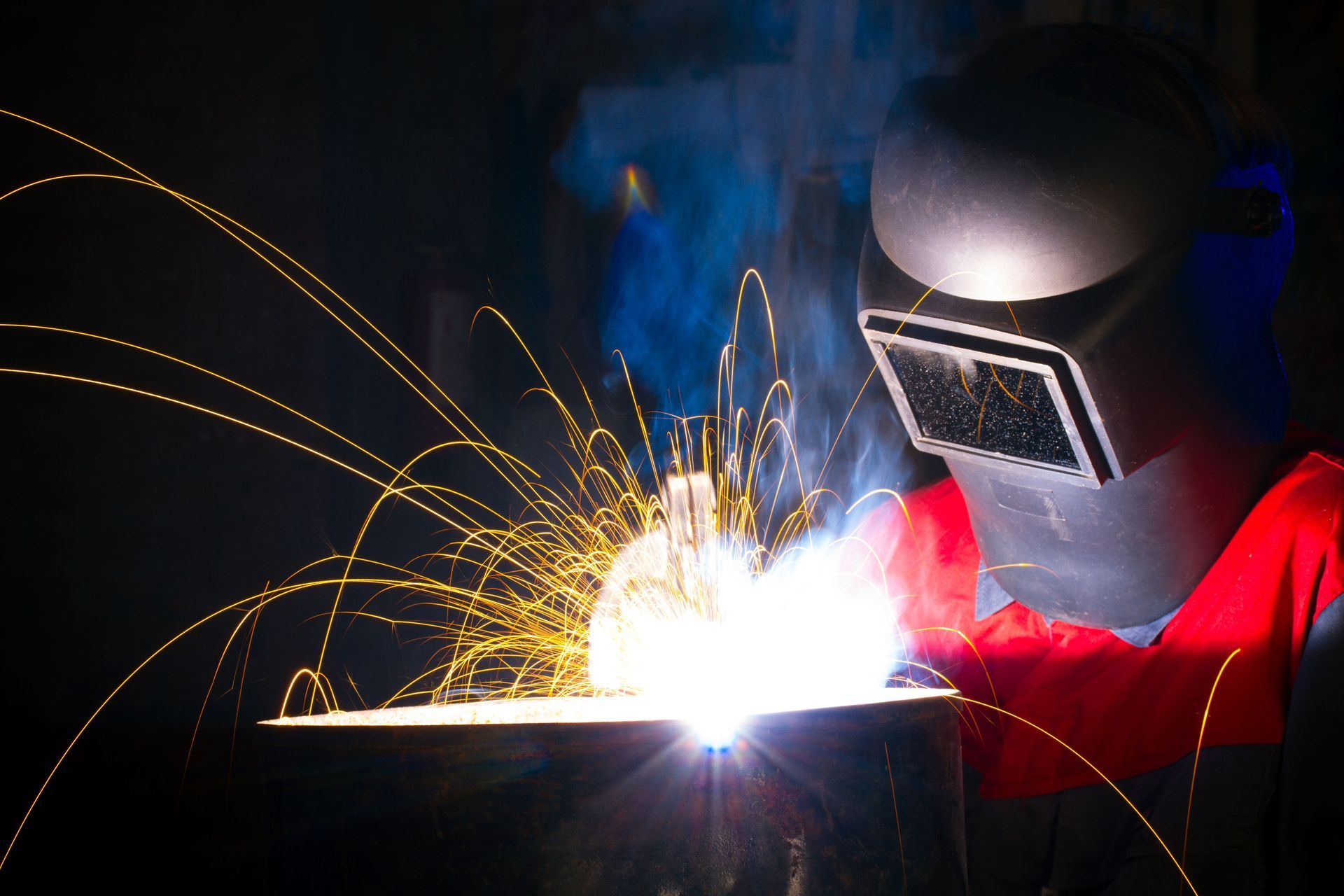
Ensuring the safety of workers is a critical priority in bulk metal fabrications, achieved through enhanced safety protocols. Implementing stringent safety measures and regularly updating guidelines minimize the risk of accidents and injuries. Proper training for machinery operation and hazard awareness are vital components of an effective safety program. Regular assessments and audits ensure that safety practices are current and effective in safeguarding workers. By prioritizing safety, companies protect their workforce, reducing liability and boosting morale and productivity.
Automation significantly mitigates risks associated with human error, which is prevalent in traditional manufacturing processes. Advanced robotics and AI-driven systems perform tasks with precision and consistency, reducing costly mistakes and enhancing safety. Automation diminishes the need for direct human intervention, lowering the risk of occupational hazards. This technology-driven approach streamlines operations, promoting safer working environments. Embracing automation not only enhances production efficiency but also contributes to the overall well-being and safety of the workforce.
Incorporating risk mitigation strategies in heavy machinery operations is crucial for achieving safer production environments. Regular maintenance and thorough inspections of equipment identify potential issues before they lead to failures. Implementing technological safeguards and emergency shutdown systems enhances safety, preventing accidents and production disruptions. Training workers in the proper use and handling of machinery reduces risks associated with human involvement. Effective risk mitigation protects both employees and assets, promoting operational reliability and long-term sustainability within manufacturing processes.
Bulk metal fabrications offer multiple pathways to streamline production by reducing costs, enhancing speed and quality, and providing flexibility. It also supports sustainable practices and improves safety standards, making it an invaluable strategy for any manufacturing business looking to thrive in a competitive market. As the industry continues to evolve, partnering with a leader like Denali Metalworks ensures your projects benefit from the highest standards of precision, efficiency, and innovative fabrication solutions.
Share On: