

How Laser Cutting Companies Speed Up Your Development Cycle
In the fast-paced world of product development, speed is a critical factor that can determine the success of a project. Laser and water jet cutting companies have emerged as key players, optimizing the development cycle through precise and efficient processes. Let's delve into the intricacies of laser cutting, showcasing how it enhances innovation, precision, and collaboration while reducing costs and waste.
Providing Unmatched Precision
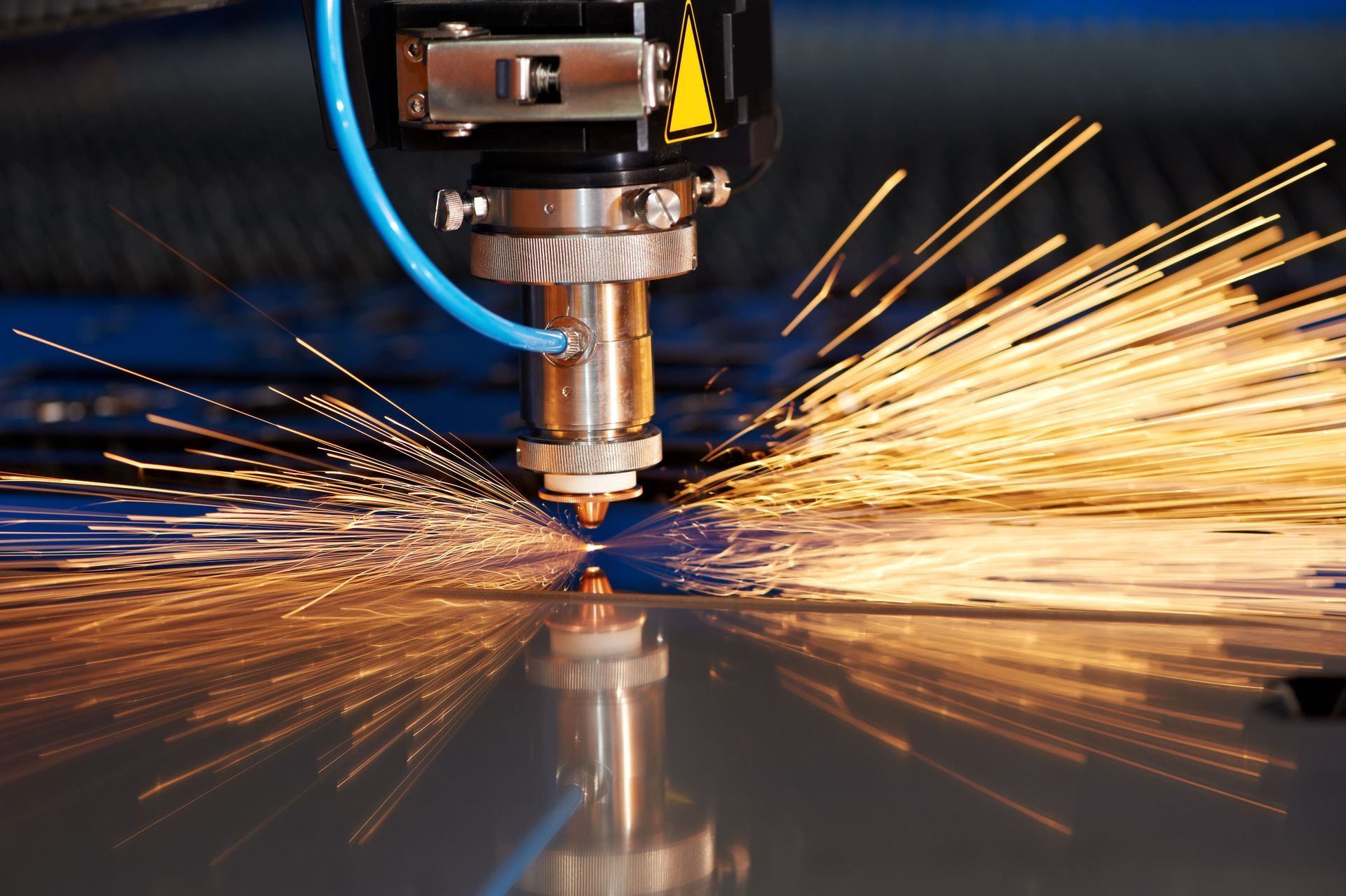
Laser and water jet cutting companies offer numerous benefits across various industrial applications, cementing their role as a crucial component in modern manufacturing. One notable advantage is its unmatched precision, enabling businesses to produce intricately detailed components that meet exact design specifications. The ability to maintain such precision across full production runs enhances product quality and consistency. As industry standards for quality and precision become more stringent, laser cutting demonstrates its worth by meeting these requirements in ways that traditional methods cannot. The precision of laser cutting technology not only boosts product quality but also influences product performance positively.
Offering Efficiency
The speed at which laser cutting can operate is another considerable benefit, providing a competitive edge by reducing production times. This is especially valuable in industries such as automotive, aerospace, and electronics, where rapid production cycles are critical to staying ahead in the market. With the ability to quickly switch designs and run multiple iterations with minimal downtime, laser cutting supports agile manufacturing practices. The reduction in lead times is an attractive proposition for companies looking to bring products to market faster and more efficiently. Hence, laser cutting stands out as a significant contributor to speeding up the development lifecycle.
Providing a Sustainable Solution
Sustainability is becoming increasingly important in industrial operations, and laser and water jet cutting companies address this by minimizing waste and optimizing resource use. Traditional cutting methods often lead to excess material waste and are less efficient in conserving resources. However, laser cutting helps in maximizing material usage and reducing waste, fitting well with environmentally conscious manufacturing practices. Additionally, with advancements in AI-driven nesting software, waste can be further reduced by up to 10% to 15%, according to Accio, leading to significant cost savings and environmental benefits. As industries prioritize sustainability, laser cutting provides a solution that aligns with both economic and environmental goals.
Using Advanced Technology
Laser technology has undergone significant advancements over recent years, broadening its applications and enhancing its capabilities. Innovations include the development of high-efficiency fiber lasers, known for their precision and capability to cut a wide range of materials rapidly. These advancements have improved the overall power efficiency of laser cutters while increasing cutting speeds, making laser cutters more effective and energy-efficient. As efficiency and speed continue to improve, industries can expect faster turnaround times and reduced operational costs. This progress not only boosts the manufacturing sector but also supports the development of sustainable practices.
The incorporation of AI and machine learning into laser cutting processes marks a transformative period in the evolution of this technology. Through intelligent software that optimizes cutting patterns and processes, businesses can achieve better material utilization and improve cutting precision. This innovation leads to fewer errors and material waste, fostering a more sustainable production environment. Through continued advancements, laser cutting will increasingly contribute to eco-friendly manufacturing processes.
Speeding Up Design Iteration
Laser cutting significantly enhances the speed of design iteration in prototyping phases, allowing companies to quickly adapt to changing project requirements. Traditional methods often involved lengthy processes to accommodate design revisions, resulting in delays. However, with laser cutting, modifications can be easily integrated into digital design files and swiftly executed. This capability streamlines the prototyping phase, facilitating rapid testing and verification of design concepts. As a result, companies can focus more on innovation and less on production barriers, accelerating the overall development process.
The ability to iterate rapidly enhances not only the speed but also the quality of the final product. With reduced lead times, designers can afford more rounds of design testing, ensuring that the final product meets all technical and aesthetic requirements. Laser cutting ensures that each iteration mirrors the intended design perfectly, reducing the potential for discrepancies in the prototype. This accuracy is essential for picking up on design flaws early in the development process, saving time and resources while boosting product quality. As the speed of iteration increases, so does the flexibility to innovate without constraint.
Offering Customization and Flexibility
The versatility of laser cutting technology allows for a high degree of customization, accommodating unique specifications and varied demands across different industries. Unlike traditional manufacturing that may require extensive retooling, laser cutting operates based on flexible software-driven processes, suitable for both standard and bespoke orders. This adaptability is essential in prototyping, where design adjustments are frequently necessary to meet client requirements or market trends. The heightened level of customization fosters creativity while adhering to precise design parameters and quality standards. This flexibility is invaluable in industries such as fashion, automotive, and consumer electronics, where customized solutions are often sought.
Laser cutting's ability to manage complex cutting paths without compromising precision affords immense creative freedom to designers. This capability is particularly beneficial when dealing with intricate designs or limited-production runs, where traditional methods may falter in maintaining detail and consistency. By accommodating unusual shapes and delicate patterns consistently, laser cutting meets design needs irrespective of complexity, adapting to varying client requests effortlessly. This comprehensive flexibility empowers businesses to venture into new market segments with customized product offerings, boosting their competitive edge.
Reducing Lead Times in Prototype Development
Laser cutting plays a crucial role in shrinking lead times during prototype development, directly impacting the speed at which products reach the market. Lead times are substantially cut by the elimination of time-consuming setup required in traditional manufacturing processes. The non-contact nature of laser cutting means less equipment adjustments and virtually no preliminary setup, allowing for immediate production upon receiving design files. This swift transition from design to prototype eliminates delays, fostering faster product iteration cycles. Consequently, companies can respond quicker to market demands or technological advances, positioning themselves advantageously within competitive industries.
The automation and control precision inherent in laser cutting translates to consistent and repeatable results throughout the prototyping process. Controlled by intelligent CNC systems, laser cutters ensure each prototype mirrors its design file exactly, minimizing errors and the need for rework. Such precision reduces the necessity for post-processing alterations, saving significant time and resources. The rapid transition from one stage of production to the next, with minimal intervention, empowers businesses to maintain tighter schedules and focus their efforts on other critical development areas.
Instant Feedback for Design Adjustments
In the realm of prototyping, receiving instant feedback on design adjustments is pivotal to maintaining rapid development schedules. Laser and water jet cutting companies enable this immediacy, allowing modifications to the digital blueprints to reflect instantaneously in the physical prototypes. This seamless transition from concept to creation allows designers to evaluate the efficacy and functionality of their designs in real-time. Prompt evaluations lead to quicker recognition of potential issues or the necessity for further design enhancements. As a result, businesses enhance their ability to innovate diligently while maintaining streamlined processes.
The cutting technology's role in offering instant feedback further extends to encouraging iterative testing, where rapid adaptation to design iterations is crucial. This ensures that proposed changes can be assessed for viability and practicality almost instantaneously. Such iterative design testing is essential for refining product features, adapting to client preferences or technological developments while ensuring cost-effectiveness. The increased ability to receive immediate input shortens the development loop and contributes to an accelerated innovation cycle. It paves the way for successful product launches by refining designs swiftly and effectively.
As the demands of modern manufacturing continue to shift toward faster turnarounds and tighter tolerances, precision cutting technologies are no longer just an operational advantage; they're a core strategic necessity. By combining unmatched accuracy and rapid design iteration with sustainable, low-waste practices, laser and water jet cutting companies can help you push creative boundaries while keeping lead times short. To get started, reach out to Denali MetalWorks today!
Share On: